

?? Red-white-red card for qualified nursing staff – checklist and tips for getting started in Austria If you want to work as a qualified nurse in Austria, in most cases you will need a so-called Red-White-Red Card (RWR Card). This card allows qualified professionals from third countries to live and work legally in Austria. To ensure that the application process runs smoothly, we at Alida Staffing & Recruiting have compiled the most important documents and requirements in a clear checklist. ? A. General documents These documents form the basis of the Red-White-Red Card application: ✅ Completed application form for residence permit (original form)✅ Valid passport (including copies of all pages with entries)✅ Recent biometric passport photo (not older than 6 months)✅ Birth certificate (with certified translation)✅ Proof of health insurance with full coverage✅ Rental agreement or proof of accommodation in Austria✅ Police clearance certificate (not older than 3 months, certified & translated)✅ Registration form (Meldezettel), if a residence in Austria already exists ? B. Professional qualification & recognition To have your nursing qualification officially recognized in Austria, the following documents are required: ✅ Diploma or proof of education (certified & translated)✅ Nostrifikation decision (official recognition of foreign degree in Austria)✅ License to practice (e.g. entry in the Austrian Health Professions Register)✅ German language certificate – minimum level B1, B2 recommended ? Tip: The higher your language level and qualifications, the more points you receive in the RWR Card points system. ? C. Work-related documents Since the Red-White-Red Card is tied to a specific job offer, you will need: ✅ Employment contract or binding job offer (including salary, start date, position)✅ Employer declaration for the RWR Card (official form)✅ Proof of work experience (relevant for the points evaluation)✅ Additional qualifications (e.g. training courses, nursing certificates)✅ Points calculation sheet (recommended to verify eligibility) ? D. Additional Documents (if applicable) ✅ Marriage certificate or divorce decree (certified & translated)✅ Proof of financial means (only in exceptional cases)✅ Power of attorney (if someone applies on your behalf) ℹ️ Important information All documents must be submitted in the original and with a certified translation. Applications must be submitted in person at the Austrian Embassy or, in Vienna, at MA35. ❤️ Our service for nursing staff As a specialised agency, we support you every step of the way – from job hunting and getting your qualifications recognised to preparing your Red-White-Red Card application. ? With Alida Staffing & Recruiting, you have an experienced partner at your side who takes care of all the details – so you can concentrate on what matters most: your new career in Austria! Contact us now if you would like to work as a nurse in Austria.We will advise you free of charge and accompany you on your way to successful entry and employment. ? Get in touch? www.alida-staffing-recruiting.eu
Which jobs will be replaced by artificial intelligence?
Artificial intelligence has the potential to replace a large number of jobs, especially those that involve repetitive tasks or making simple decisions based on data. Here are some examples of jobs that could be replaced by AI systems in the future: Data analysts and processors: AI systems can process large amounts of data more efficiently and quickly than humans, which could make the role of data analysts and processors redundant. Accountants and tax advisors: Since accounting and tax advice are based on rules and processes that can be automated, AI systems can perform these tasks more efficiently and accurately than humans. Drivers and transport workers: Autonomous vehicles and drones could take over transport tasks in the future, thus replacing the role of drivers and transport workers. Customer service representatives: AI systems could be able to solve customer queries and problems via chatbots or language assistants, thus reducing the role of customer service representatives. However, it is important to note that AI systems can also create new jobs and complement the role of humans in many jobs, for example by taking on repetitive or dangerous tasks. Overall, AI is likely to replace some jobs, but also create new opportunities for human labour.

Women still earn 18 percent less than men.
The Federal Statistical Office announced on Thursday that the wage gap in eastern and western Germany is different. Last year, women continued to earn significantly less than their male colleagues. The gender pay gap remained unchanged at 18%, as the Federal Statistical Office announced on Thursday. Accordingly, the average hourly wage for women was 20.84 euros, which is 4.46 euros less than the gross hourly earnings of men (25.30 euros). The statisticians emphasised that the unadjusted gender pay gap has fallen in a long-term comparison. In 2006, the gender pay gap was still 23%. It has remained at 18 % since 2020. The pay gap is still significantly smaller in eastern Germany, where it stood at 7 % last year. In Western Germany, on the other hand, it was 19% (2006: east: 6%, west: 24 %) Women also earn less than men in comparable jobs. According to the data, around 64 % of the pay gap can be explained by certain characteristics. “A large part of the pay gap results from the fact that women are more likely than men to work in sectors, occupations, and job levels where pay is lower,” say the statisticians. “In addition, they are more often employed part-time or in marginal employment, which is also associated with lower gross hourly earnings.” The remaining 36% of the pay gap, on the other hand, cannot be explained by the characteristics available in the estimation model. This corresponds to an adjusted pay gap of 6%.
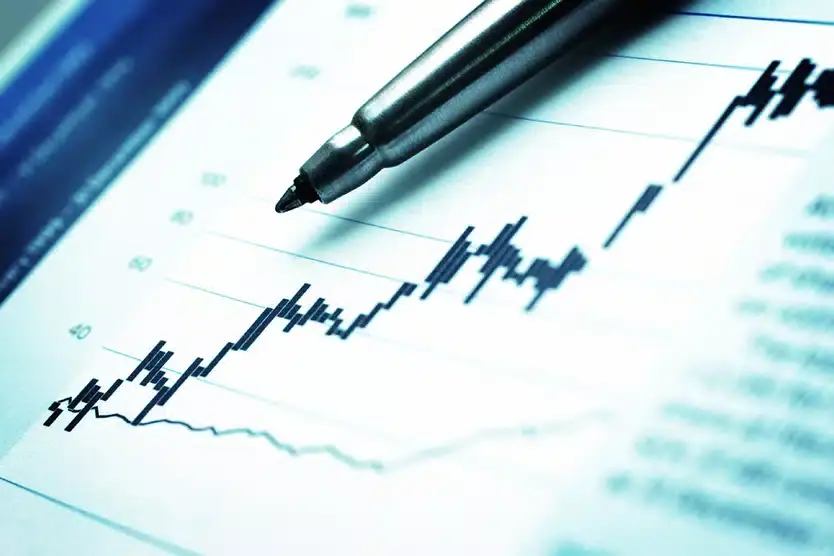
The economic situation in Germany 2023
In the first quarter of 2023, there was a noticeable upturn and industrial and construction output trended upwards. This is a good sign for economic development and could indicate that efforts to overcome the material bottlenecks are bearing fruit. The significant decline in energy prices and favourable weather conditions may also have contributed to the increase in value added. However, it remains to be seen how the economic situation will develop in the future, as the economy is always influenced by many factors. The fact that current forecasts by the German Council of Economic Experts and economic research institutes predict a slight positive GDP increase for the year as a whole provides additional grounds for hope. However, it remains to be seen how economic conditions will develop in the coming months and years, as the economy is constantly influenced by various factors, such as global events, political developments and environmental conditions. The inflation rate fell to +7.4% in March. This was mainly due to a base effect. Food is now the biggest price driver, not only because of its high weight in the basket of goods, but also because its rate of price increase is now higher than that of energy sources. The labour market showed a robust sideways movement in March. However, the typical spring recovery was comparatively weak. Registered unemployment increased in March in seasonally adjusted terms, but there werealso sharp increases in employment. The demand for labour remains at a high level.

New ways of recruiting skilled workers
In the future, skilled workers will be able to work in Germany more quickly and with fewer complications. The federal government has passed a new law on skilled worker immigration that is designed to reduce bureaucratic hurdles. As part of these legislative changes, the income threshold for the Blue Card will be lowered. From now on, it will be possible for skilled workers to come to Germany if they have two years of professional experience and a degree in their home country. One innovative change is the introduction of an ‘opportunities card’ based on a points system. This card offers an additional opportunity for qualified professionals to come to Germany and contribute their skills. There is already a shortage of well-trained professionals in numerous regions and industries. In 2022, there were around 1.98 million vacancies. The Federal Government’s skilled labour strategy focuses intensively on tapping domestic potential. In doing so, the government aims to increase the labour force participation of women and older workers and to intensify training and further education. Despite these efforts, the Federal Government recognises the need for qualified immigration to meet the demand for skilled workers in Germany. The most important changes in terms of: Qualifications: Those with a degree can pursue any occupation in the future. Experience: Anyone with at least two years of professional experience can immigrate as a worker. In the future, the professional qualification no longer has to be recognised in Germany. This means less bureaucracy and thus shorter procedures. Potential: Another new development is the ‘Chancenkarte’ (opportunity card) for job seekers, which is based on a point system. The selection criteria include qualifications, knowledge of German and English, professional experience, and age.
Quality seal through the age
Quality seals through the ages – from warning to award Introduction Whether we are buying food, technical equipment or clothing, quality seals have a significant influence on our purchasing decisions. They stand for tested standards, safety and often also for sustainability. However, not every seal was a sign of quality from the outset. Some were even created with a completely different intention before they established themselves as a mark of quality. An outstanding example of this is the “Made in Germany” label. The origin of “Made in Germany” In the late 19th century, British products dominated the world market. To protect itself from cheap imitations, Great Britain introduced the “Merchandise Marks Act” in 1887. This obliged foreign manufacturers to mark their goods with a proof of origin. In particular, German products were marked “Made in Germany” – not as a mark of distinction, but as a warning of inferior quality. The change to a seal of quality Instead of being deterred by the marking, German companies deliberately improved the quality of their products. They continuously improved their standards, particularly in metal processing, mechanical engineering and the chemical industry. By the beginning of the 20th century, German goods were no longer perceived as cheap products, but were valued as innovative and durable products. After the Second World War at the latest, “Made in Germany” finally established itself as a synonym for the highest quality, reliability and engineering. Other quality seals with a history In addition to “Made in Germany”, there are many other seals that have developed over time from a simple label to a real symbol of quality: BIO seal: Once a small niche, today an important sign of sustainable agriculture and healthy nutrition. CE marking: Originally intended for regulation, today a recognized sign of safety and compliance in Europe. Fairtrade mark: Originating from the social movement, today a strong symbol for ethical trade. Conclusion The development of “Made in Germany” impressively shows how a supposedly negative label can become a coveted distinction. Quality prevails in the long term – and a strong seal can help build trust and appreciation among consumers.
IHK skills shortage – still the biggest challenge
Growing gap in the world of workGrowing gap in the world of work In its Skilled Labour Report, the Düsseldorf Chamber of Industry and Commerce analyses the current situation in the state capital and provides detailed insights into the demographic development of the region. The results clearly show that the shortage of skilled labour will remain a key challenge for companies in the coming years. According to forecasts, the skills gap in the IHK district will grow to over 110,000 missing employees by 2034 – more than double the current figure,” explains IHK Managing Director Gregor Berghausen. “Many regional companies are already under considerable pressure to secure qualified skilled labour. This challenge will become even more acute in the coming years.

Skilled labour shortage at record level in 2025
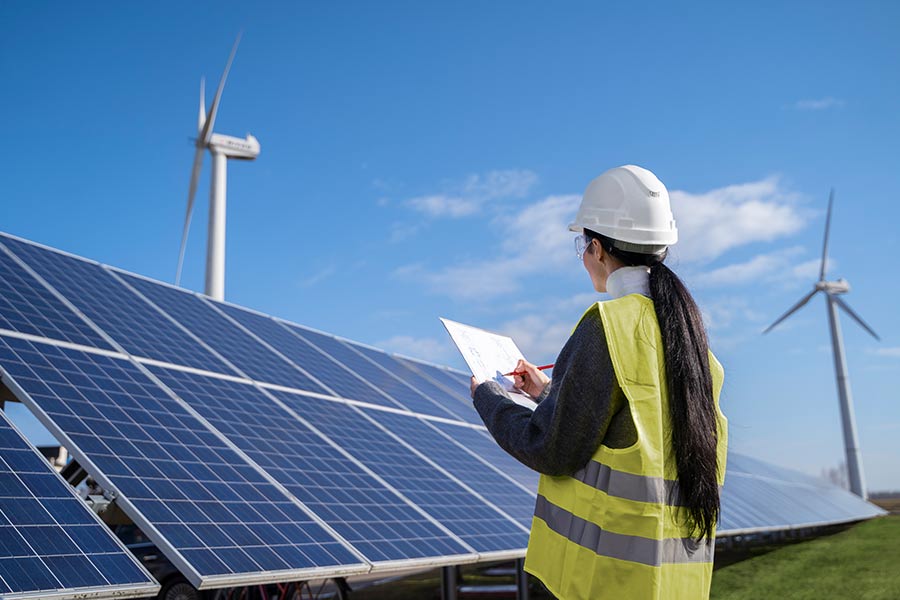
The shortage of skilled labour in Germany affects companies of all sizes – from small businesses to large corporations. This shortage has now reached a new record level: 86 per cent of companies report difficulties in filling vacancies. This means that the shortage of skilled labour has more than doubled in ten years. While only 40 per cent of companies reported such problems in 2014, Germany now leads the world with this figure and is well above the global average of 74 per cent. This is the result of a recent survey conducted by ManpowerGroup as part of its labour market barometer. At 92 per cent, companies in the energy sector are particularly affected by the shortage of skilled workers. This corresponds to an increase of 29 per cent compared to the previous year. In the healthcare and IT sectors (89% each), the demand for skilled workers with specialised skills also far exceeds the supply – a clear indicator of the increasing specialisation of the labour market. Companies in the consumer goods & services sector recorded the lowest shortage of skilled workers at 82 per cent. The shortage of skilled labour in Germany affects companies of all sizes, from very small businesses to large corporations.
Carers & care assistants
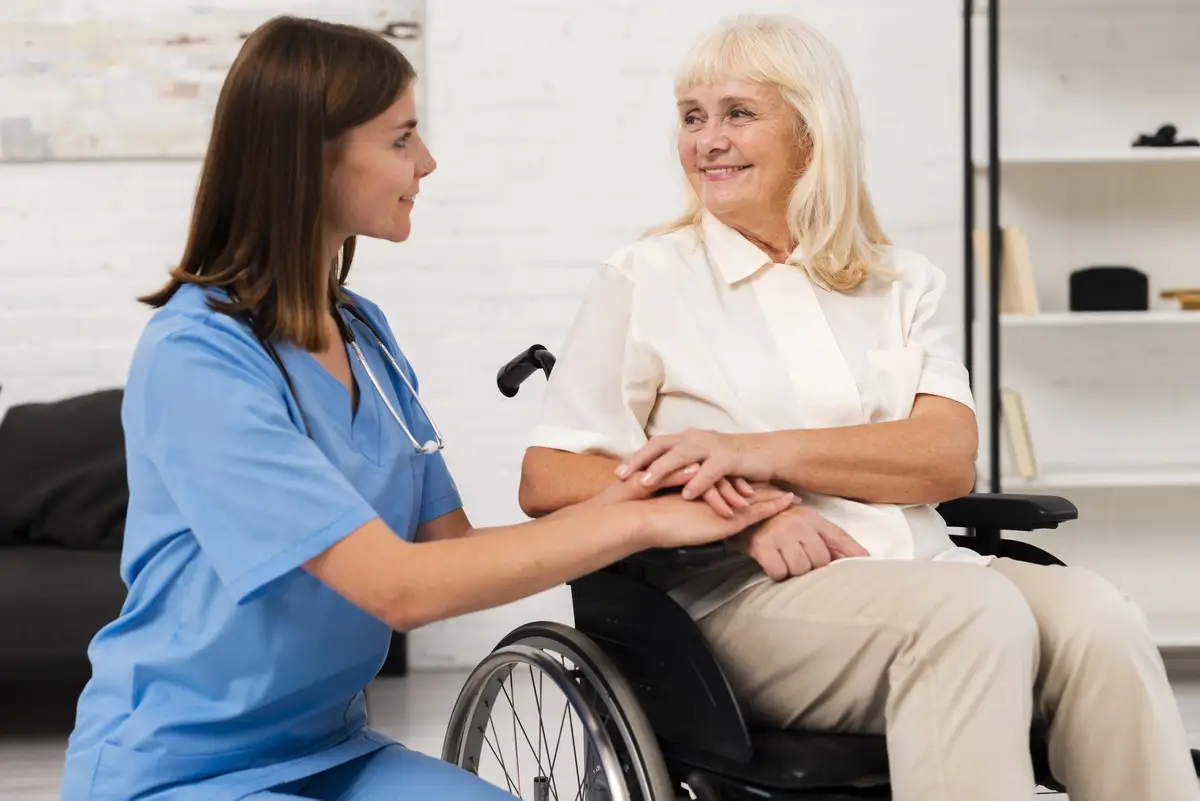
Nursing staff & nursing assistant wanted (m,f) Location : Vienna, Austria Your tasks: Carrying out care measures according to the individual needs of patients. Assisting patients with daily activities such as personal hygiene, mobility and nutrition. – Monitoring vital signs and documenting care services. Co-operating with doctors and other specialists to ensure comprehensive patient care. Counselling and support for patients and their relatives. Compliance with all applicable hygiene and safety standards. Your profile: Completed training as a carer (DGKP, nursing assistant, nursing assistant). Professional experience in the care sector is an advantage. Empathy and a high sense of responsibility. Ability to work in a team and strong communication skills. Willingness to work shifts. Good written and spoken German. What we offer: Competitive salary and benefits. Training and development opportunities. Secure job in a growing company. Pleasant working atmosphere and respectful interaction. Opportunities for personal and professional development. Job Overview Location: Vienna, Austria Gender: m/w Arrange your telephone appointment now. Would you like to contact us by phone? You can conveniently book a telephone appointment here. Share this job offer
Physiotherapists
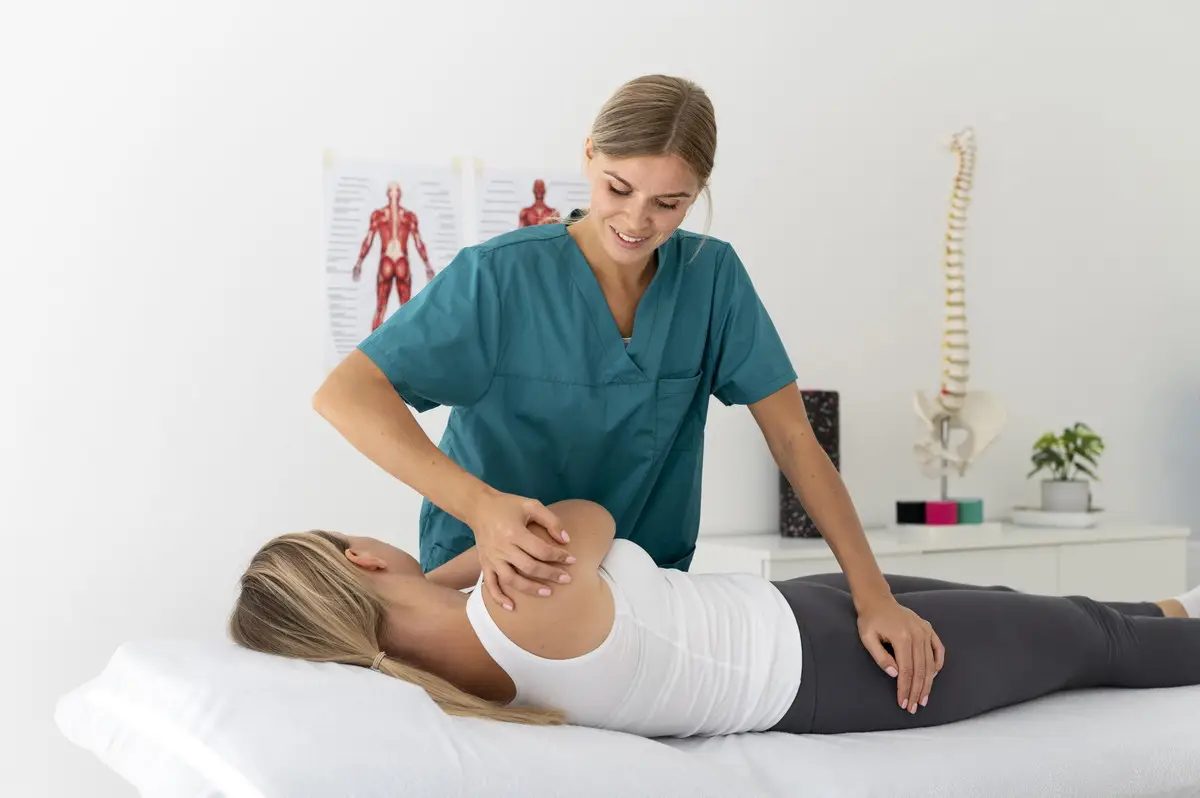
We are looking for committed and reliable physiotherapists (m/f/d) with immediate effect. Your tasks: Carrying out physiotherapy measures for the treatment of patients. Creation of individual therapy plans and their documentation. Counselling and instructing patients on exercises and rehabilitation measures. Co-operation with doctors and therapists to ensure comprehensive patient care. Your profile: Completed training or studies as a physiotherapist. Experience of at least 3 years working as a physiotherapist. Language certificate B2. What we offer: Permanent employment contract, full or part-time Attractive salary – Accommodation provided Further training and education Job Overview Location: Passau, Germany Gender: m/w/d Arrange your telephone appointment now. Would you like to contact us by phone? You can conveniently book a telephone appointment here. Share this job offer
